

School Safety Measures: Ensuring Safety with
Updated: Dec 16, 2025
You want to create a safe environment where students, staff, and visitors feel secure. Safety is not just a priority; it is a necessity. Schools face unique challenges that require tailored security solutions. Implementing effective school safety measures helps prevent incidents and ensures quick responses when emergencies occur. This article guides you through practical steps and insights to enhance safety at your educational institution.
Understanding School Safety Measures
School safety measures cover a wide range of strategies and tools designed to protect everyone on campus. These include physical security, technology, policies, and training. You need to assess your school's specific risks and vulnerabilities to choose the right combination.
Some common safety measures include:
Controlled access points to monitor who enters and leaves
Surveillance cameras to deter and record suspicious activity
Security personnel trained to handle school environments
Emergency communication systems for quick alerts
Regular safety drills to prepare staff and students
Each measure plays a role in creating a secure atmosphere. For example, controlled access reduces the chance of unauthorized visitors. Surveillance cameras provide evidence if an incident occurs. Security guards offer a visible deterrent and immediate response capability.
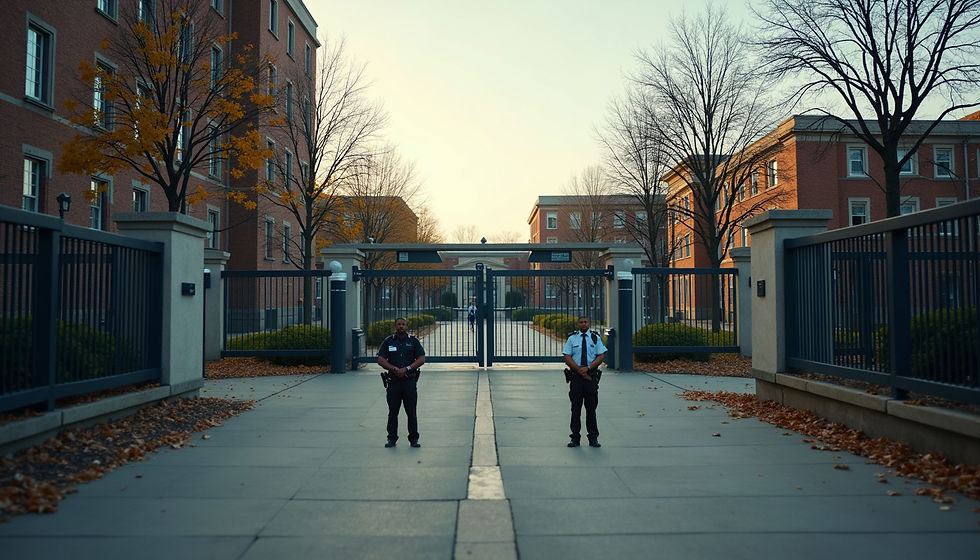
You should also involve the school community in safety planning. Teachers, parents, and students can provide valuable insights. Their cooperation ensures that safety policies are understood and followed.
Integrating Technology in School Safety Measures
Technology enhances traditional security methods. Modern tools allow you to monitor and respond to threats more efficiently. Consider these technologies:
Access control systems: Use key cards or biometric scanners to restrict entry.
Video surveillance: High-definition cameras with remote monitoring.
Intrusion detection: Sensors on doors and windows that trigger alarms.
Visitor management software: Track and log visitors digitally.
Mass notification systems: Send alerts via SMS, email, or loudspeakers.
These technologies work best when integrated into a comprehensive security plan. For example, access control combined with visitor management software ensures only authorized individuals enter the premises. Video surveillance supports security personnel by providing real-time visuals.
Investing in technology also helps you comply with safety regulations and standards. It shows your commitment to protecting students and staff, which can improve your institution’s reputation.

How much do schools pay for security?
The cost of school security varies widely depending on the size of the school, the level of risk, and the security measures implemented. You should budget for both initial setup and ongoing maintenance.
Typical expenses include:
Security personnel salaries: Hiring trained guards is often the highest cost.
Technology installation: Cameras, access control systems, and alarms require upfront investment.
Maintenance and upgrades: Regular servicing keeps equipment functional.
Training programs: Staff and students need ongoing safety training.
Consultation and planning: Professional security assessments and strategy development.
On average, schools may spend between 5% and 10% of their operational budget on security. Private schools and institutions in high-risk areas might allocate more. It is important to view security spending as an investment in safety and peace of mind.
You can reduce costs by prioritizing the most critical measures first. For example, start with access control and security guards, then add technology as funds allow. Partnering with a reputable security provider can also optimize your budget by offering tailored solutions.
The Role of Security Personnel in Schools
Security personnel are a vital part of your safety strategy. They provide a human presence that technology alone cannot replace. Guards can:
Monitor entrances and exits
Patrol the campus regularly
Respond quickly to incidents
Assist in emergency evacuations
Build relationships with students and staff
Well-trained security officers understand the school environment and know how to handle sensitive situations calmly. They act as both protectors and problem solvers.
When selecting security personnel, look for:
Experience in educational settings
Training in conflict resolution and emergency response
Good communication skills
Professionalism and reliability
You should also ensure that security staff work closely with school administrators and local law enforcement. This collaboration improves coordination during emergencies and daily operations.
Partnering with Professional Security Providers
To achieve the best results, consider working with experts who specialise in school security. A professional provider offers:
Customized security assessments
Advanced technology solutions
Skilled security personnel
Ongoing support and training
For example, school security services can tailor their offerings to your school’s unique needs. They stay updated on the latest security trends and regulations. This partnership allows you to focus on education while they handle safety.
Professional providers also help you scale your security as your school grows. They can introduce new technologies and strategies to meet evolving threats. Their expertise ensures your investment delivers maximum protection.
Building a Culture of Safety
Security measures are most effective when supported by a culture of safety. This means everyone understands their role in maintaining a secure environment. You can foster this culture by:
Conducting regular safety training for staff and students
Encouraging open communication about safety concerns
Promoting respect and inclusion to reduce bullying and violence
Establishing clear policies and consequences for unsafe behaviour
Involving parents and the community in safety initiatives
A strong safety culture reduces risks and improves overall well-being. It empowers individuals to act responsibly and report issues promptly.
Implementing comprehensive school safety measures is essential for protecting your school community. By combining physical security, technology, trained personnel, and a culture of safety, you create a secure environment where learning thrives. Partner with trusted security experts to tailor solutions that fit your needs and budget. Your commitment to safety supports the growth and success of your institution.


Comments